
- All
- Product Name
- Product Keyword
- Product Model
- Product Summary
- Product Description
- Multi Field Search
Please Choose Your Language
Views: 208 Author: Site Editor Publish Time: 2025-08-26 Origin: Site
When it comes to efficient and reliable mixing solutions, top mounted mixers have proven to be essential equipment in various industries, especially in food processing, pharmaceuticals, chemicals, and cosmetics. These mixers are designed to be installed on the top of tanks or vessels, allowing for powerful agitation with minimal space usage. However, not all top mounted mixers are created equal. Selecting the best top mounted mixer requires understanding key features that directly impact performance, durability, maintenance, and adaptability.
Before diving into the features, it is essential to grasp what a top mounted mixer actually is and why it holds significance in processing applications.
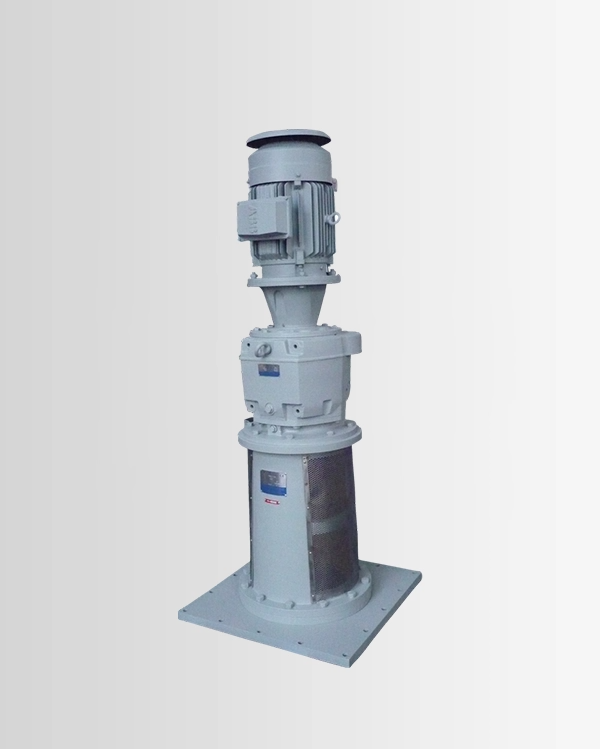
A top mounted mixer is an agitator installed on the top flange or opening of a mixing tank or vessel. The motor, gearbox, and drive components are located above the tank, while the impeller or mixing blades extend into the liquid or semi-solid materials. This configuration allows for excellent agitation, blending, suspension, or homogenization of materials without occupying tank space or causing contamination risks from below.
The importance of top mounted mixers lies in their versatility and efficiency. They can handle a wide range of viscosities and mixing tasks—from low-viscosity liquids to thick pastes. For food processing applications, they enable gentle but thorough mixing without damaging delicate ingredients, while in chemical industries, they ensure proper suspension of solids or emulsification of immiscible liquids.
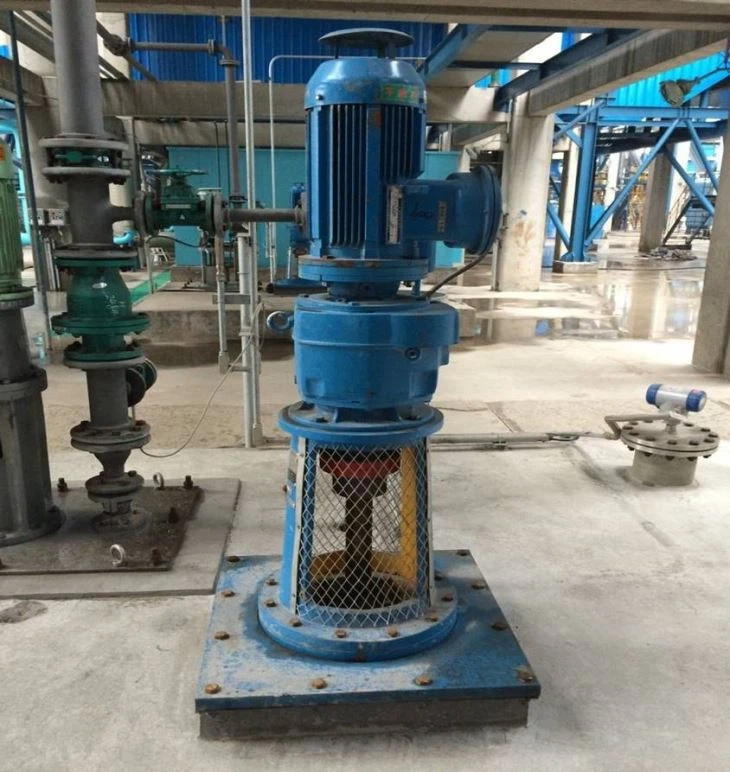
The first feature to consider is the material and construction quality of the top mounted mixer. In industrial applications, mixers must endure rigorous operating conditions, including exposure to corrosive materials, high temperatures, and continuous running cycles.
Typically, the best top mounted mixers are constructed using stainless steel—especially grades like 304 or 316 stainless steel—which offers excellent corrosion resistance and compliance with food safety standards. The gearboxes and shafts are usually made from hardened steel or other high-strength alloys, ensuring resistance to wear and tear.
Durable construction reduces downtime, maintenance costs, and risk of contamination. When evaluating a mixer, inquire about the materials used, certifications for food or pharmaceutical compliance, and the design’s ability to withstand the specific process environment.
The motor is the heart of any top mounted mixer. It drives the impeller to produce the necessary flow and shear forces for mixing.
Look for mixers offering high-efficiency motors that are energy-saving yet powerful enough to handle your required mixing load. Variable frequency drives (VFDs) are an excellent feature because they allow precise control over the mixing speed, enabling optimization for different batch sizes or viscosities.
Additionally, motors should have adequate power ratings to maintain consistent torque under heavy loads without overheating or failure. Soundproof or low-noise motor designs are an advantage in environments where noise control is critical.
The impeller or agitator blade is the component that physically moves the material inside the tank. Its design directly influences the mixing effectiveness.
Top mounted mixers come with various impeller styles—such as turbine, propeller, or paddle types—each suited for different materials and mixing goals. The best mixers allow customization or multiple impeller options, ensuring that whether you need high shear for emulsification or gentle blending to prevent product degradation, the equipment can be adapted accordingly.
Impeller size and placement are also important; they should create uniform flow patterns and minimize dead zones inside the vessel to ensure homogeneity.
A critical feature often overlooked is the mixer’s sealing system. Since the mixer shaft penetrates the tank, the seal must effectively prevent product leakage and avoid external contamination.
Modern top mounted mixers employ advanced sealing technologies such as mechanical seals, lip seals, or magnetic couplings. Mechanical seals are favored for high-pressure or high-temperature applications due to their durability, while magnetic drives offer completely seal-less designs, eliminating contamination risks and maintenance issues related to seal wear.
Consider the process requirements carefully and select mixers with reliable sealing systems certified for sanitary applications when working with food or pharmaceuticals.
Industrial equipment downtime can be costly, so ease of installation and maintenance is a key feature for the best top mounted mixers.
Look for mixers designed with modular components and easy-to-access parts such as bearings, seals, and motors. A top mounted mixer with a quick-release mechanism or hinged mounting flange can reduce installation time and simplify routine inspections.
Maintenance-friendly designs also support longer service intervals, reduced labor costs, and faster troubleshooting. Clear documentation and manufacturer support for spare parts availability further contribute to operational efficiency.
Especially in sectors like food processing, pharmaceuticals, and cosmetics, equipment must adhere to strict hygiene and safety standards.
The best top mounted mixers comply with international certifications such as FDA, EHEDG (European Hygienic Engineering & Design Group), 3-A Sanitary Standards, and ISO quality management systems. These certifications guarantee that the mixers are made with materials and designs suitable for hygienic applications and that they can be cleaned effectively to prevent microbial contamination.
Before purchasing, verify the certifications and ensure that the mixer meets or exceeds the regulatory requirements relevant to your industry.
A top mounted mixer should be versatile enough to fit a wide range of tank sizes and shapes.
The best mixers offer adjustable mounting options and multiple shaft lengths or impeller diameters to accommodate vessels from small laboratory tanks to large industrial reactors. The ability to customize or configure the mixer for your specific tank dimensions is crucial for achieving uniform mixing and avoiding inefficient energy use.
Additionally, consider mixers designed for integration with other process equipment such as heating jackets, vacuum systems, or CIP (Clean-In-Place) systems, enhancing overall plant flexibility.
With the rise of Industry 4.0 and smart manufacturing, top mounted mixers increasingly come with intelligent control systems.
Features such as programmable speed profiles, remote monitoring, and automated fault detection enable operators to optimize mixing processes, improve product consistency, and reduce manual intervention. Integration with plant-wide control systems (e.g., SCADA) allows for data collection and analysis, leading to predictive maintenance and minimized downtime.
If process control and data transparency are priorities, seek mixers equipped with these smart capabilities.
| Feature | Description | Benefit |
|---|---|---|
| Robust Construction | Stainless steel, corrosion-resistant materials | Longevity, food safety compliance |
| Powerful Motor | High-efficiency motor with VFD option | Energy savings, precise speed control |
| Versatile Impeller Design | Multiple impeller types and sizes | Tailored mixing for various materials |
| Advanced Sealing Systems | Mechanical seals, magnetic couplings | Leak prevention, contamination control |
| Easy Installation & Maintenance | Modular design, accessible components | Reduced downtime, lower maintenance costs |
| Industry Certifications | FDA, EHEDG, 3-A sanitary standards | Regulatory compliance, hygienic assurance |
| Adaptability | Adjustable mounts, various shaft lengths | Fits multiple tank sizes and configurations |
| Intelligent Control | Programmable controls, remote monitoring | Process optimization, data-driven maintenance |
Q1: Can top mounted mixers handle both liquid and semi-solid materials?
Yes, top mounted mixers are designed to handle a wide range of viscosities—from thin liquids to thick pastes. Selecting the correct impeller and motor power is key to effective mixing of different consistencies.
Q2: How important is the sealing system in a top mounted mixer?
Sealing systems are crucial for preventing leaks and contamination, especially in food and pharmaceutical applications. A reliable seal also protects the mixer’s internal components from damage caused by ingress of materials or cleaning fluids.
Q3: Are top mounted mixers easy to clean?
Many top mounted mixers come with hygienic designs compliant with clean-in-place (CIP) protocols. Smooth surfaces, sanitary seals, and detachable components contribute to ease of cleaning and maintenance.
Q4: What motor specifications should I consider?
Consider motor power, torque, and speed control options. Variable frequency drives (VFDs) are recommended for flexibility. Also, motor insulation and protection ratings should match your operating environment.
Q5: Can a top mounted mixer be retrofitted to existing tanks?
Yes, many top mounted mixers are designed for retrofit applications with adjustable mounting flanges and customizable shaft lengths. However, precise measurements and consultation with the supplier are advised to ensure compatibility.
Selecting the best top mounted mixer is not a trivial task, as it demands careful evaluation of several key features that affect performance, hygiene, durability, and operational efficiency. From robust construction and powerful motors to advanced sealing systems and intelligent controls, each aspect contributes to the mixer’s overall suitability for your application.
By focusing on these 8 features—material quality, motor efficiency, impeller versatility, sealing technology, ease of maintenance, industry certifications, adaptability, and smart controls—you can confidently choose a top mounted mixer that delivers consistent, high-quality mixing results while minimizing downtime and maintenance efforts.
Whether you operate in food processing, pharmaceuticals, or chemical manufacturing, investing in a top mounted mixer with these essential characteristics will enhance your production process, ensure compliance with regulations, and ultimately contribute to product excellence.