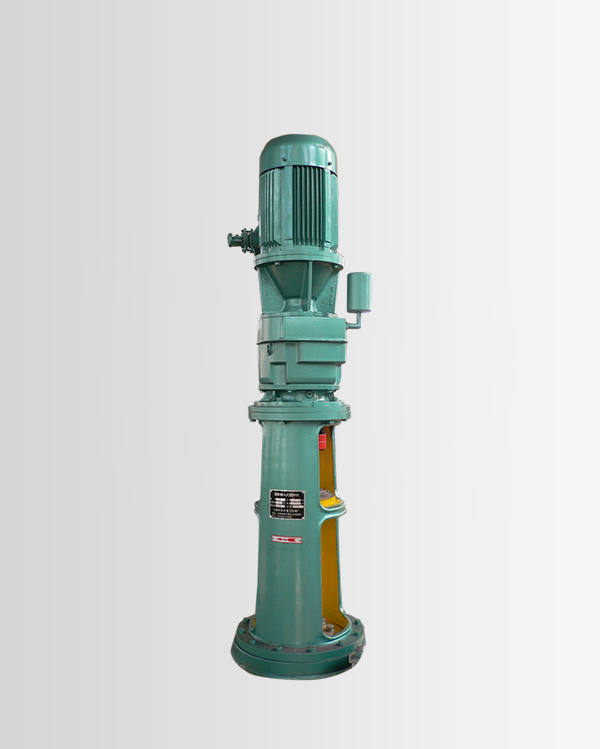
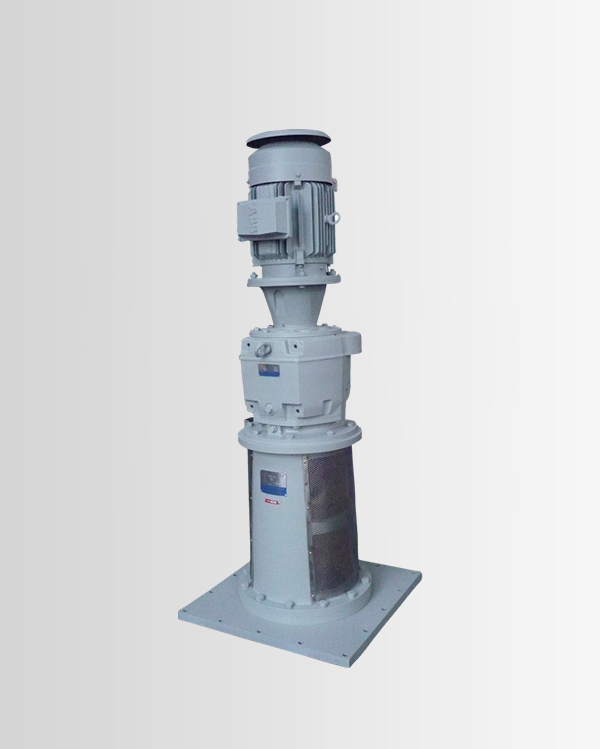
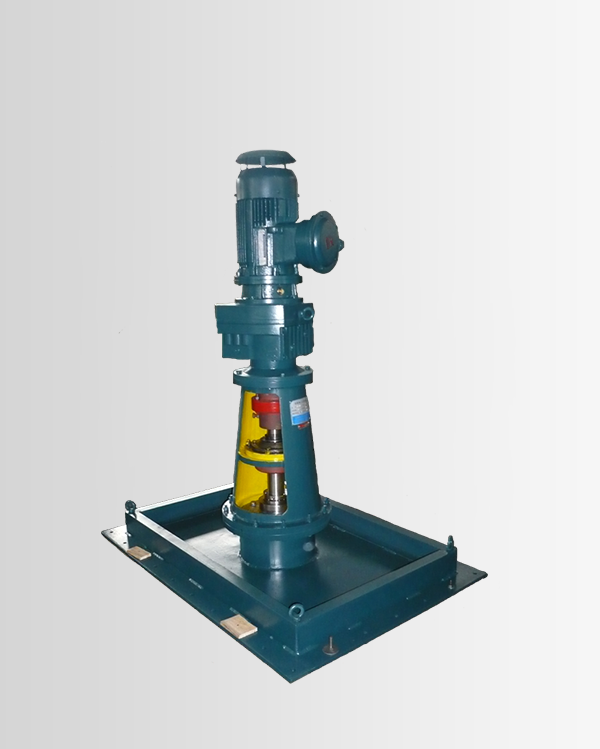
A crude oil mixer is a stirring device used in a crude oil storage tank or mixing tank. Its role is to stir the crude oil evenly to ensure that the ingredients in it are well mixed and to facilitate the chemical reaction or physical process.
The crude oil mixer is usually composed of a motor, a stirring shaft and a stirring blade. The motor rotates by driving the stirring shaft, and the stirring blade is responsible for transferring the stirring force to the crude oil. The shape and number of mixing blades can be designed according to the size and mixing requirements of the storage tank or mixing tank, and common shapes include spiral, blade and anchor shapes.
| Tank size | 1600*1600*2700MM |
| Medium | Oily sludge |
| Mixer model | FBAI-1.5KW |
| Rotating speed | 64 RPM |
| Weight | 329KG |
(The data is for reference only)
Convenience and efficiency
KEHENG top-entry agitators provide excellent and cost-effective applications all types of fluids,including high-DS fibrous sludge.KEHENG top-entry agitators combine dry-installed drives with robust shafts and impellers,so that can guarantee reliability,energy efficiency,hygienic handing,and simplicity of installation and service.
Reliability and flexibility
Every component of KEHENG top-entry agitators is designed for continuous operation.Parallel shaft geared motors combined with rigid drive shafts and
specially designed impellers contribute to long-lasting operation.
Outstanding impeller design
Choose our standard impellers or other blade impellers,you exceptional thrust and high bulk flow along with excellent energy efficiency.
Flexible design for any requirement
Our top-entry agitator has several different designs that can be selected to your needs.Simply requirements we need to know and then recommend the configuration better for you by specifying the impeller type,number,size,shaft,and position.
|
Product Packaging
|
Application Video
|
Comment & FAQ
Here are maintenance tips for crude oil mixers:
Clean blades and shafts routinely with proper tools and cleaners.
Inspect blades, bearings and seals; repair or replace worn parts timely.
Lubricate bearings as instructed to cut friction and prolong service life.
Adjust position and parameters for abnormal noise or vibration with professional guidance.
Take anti-corrosion measures including regular checks and protective coatings.
Fully examine motors, wires and connectors to fix damage and aging issues.