- All
- Product Name
- Product Keyword
- Product Model
- Product Summary
- Product Description
- Multi Field Search
Please Choose Your Language
Views: 0 Author: Site Editor Publish Time: 2025-10-22 Origin: Site
Have you ever wondered why foaming occurs during mixing? It's a common problem that disrupts many industrial processes. Foaming and air entrapment can lead to delays, lower productivity, and even contamination.
In this article, we'll explore the causes behind foaming and air induction. You'll learn effective strategies to minimize these issues and optimize your mixing processes, ensuring better efficiency and product quality.
The most common mechanical cause of foaming and air entrapment is the use of high-speed mixing. High speeds create vortexes in the liquid, drawing air into the mixture. As the air becomes trapped, foam begins to form, disrupting the smooth operation of the mixing process. The type of impeller used also plays a significant role. Axial impellers, for example, are designed to create strong flow and are more likely to induce air into the liquid, while radial impellers produce less shear and, therefore, less foam.
In high-shear environments, the energy generated by the impeller can be transferred to the liquid, which may cause air bubbles to form more readily. The combination of fast-moving impellers and the liquid's resistance to flow often results in the introduction of unwanted air, creating bubbles that persist and lead to foam. Mixing speed is another key factor. Faster mixing speeds can increase turbulence, which increases the amount of air incorporated into the liquid, leading to more foam formation. To reduce foaming, it is essential to optimize the speed of the mixing equipment according to the specific needs of the mixture and the process. Fine-tuning the speed and impeller selection will allow for the effective reduction of air induction while maintaining the desired mixing outcome.
Mechanical Factor | Impact on Foaming and Air Entrapment | Solutions for Minimization |
High-speed Mixing | Creates vortexes that draw air into the mixture, increasing foaming. | Optimize mixing speed; adjust impeller type. |
Impeller Type (Axial) | Generates strong flow, leading to higher air induction. | Use radial impellers to reduce turbulence. |
Mixing Speed | Faster speeds increase turbulence, leading to more air being trapped. | Fine-tune speed based on material type and process. |
The materials being mixed also significantly contribute to foaming. Certain ingredients, such as surfactants and proteins, are particularly prone to stabilizing foam. Surfactants reduce the surface tension of the liquid, allowing bubbles to form and persist longer. Proteins, such as those found in dairy and egg products, also promote foam formation due to their ability to stabilize gas bubbles in the mixture.
Viscosity and surface tension are two other important factors. High-viscosity liquids make it harder for air bubbles to rise to the surface, causing the bubbles to stay trapped in the mixture. This leads to persistent foam, which can be difficult to eliminate. The formation of foam becomes even more problematic when liquids with high viscosity are mixed with powders, creating a mixture that traps air and resists bubble release. Understanding these ingredient properties allows engineers to anticipate foaming issues and choose the best mixing conditions to minimize their impact. This knowledge is essential for selecting the appropriate equipment and process parameters to handle different types of ingredients.
Ingredient | Contribution to Foaming | Solutions for Control |
Surfactants | Lower surface tension, making it easier for bubbles to form and persist. | Use minimal surfactant amounts; adjust mixing speed. |
Proteins | Stabilize bubbles, creating persistent foam. | Adjust ingredient addition rates; choose low-foaming alternatives. |
High-viscosity Liquids | Prevent bubbles from rising, causing persistent foam. | Reduce viscosity by temperature control or thinning agents. |
Environmental factors, such as temperature, humidity, and atmospheric pressure, also play a crucial role in mixing and air entrapment. High temperatures reduce the viscosity of liquids, making it easier for bubbles to form and be trapped. In high-temperature conditions, ingredients that typically resist foaming may become more prone to bubble formation as the liquid becomes less resistant to air entrapment. Similarly, low atmospheric pressure reduces the force required for air to break through the liquid's surface and enter the mixture. At lower pressures, the liquid becomes less stable, making it more susceptible to foaming.
High humidity can lead to powder clumping, which results in more air being incorporated during mixing. The interaction between powders and liquids during the mixing process becomes critical, especially in high-humidity environments, as clumped powders require more force to break apart, increasing the chances of foam formation. This adds to the complexity of managing foaming and air induction in different environmental conditions. Therefore, manufacturers must account for environmental conditions when designing and implementing mixing processes to optimize performance and minimize foaming.
Environmental Factor | Effect on Foaming | Solutions for Mitigation |
High Temperature | Lowers viscosity, increasing the likelihood of foam formation. | Maintain optimal temperature settings for specific mixtures. |
High Humidity | Causes powders to clump, introducing more air during mixing. | Store powders in dry conditions; use humidity-controlled environments. |
Low Atmospheric Pressure | Reduces the force required for air to break the surface, increasing air induction. | Adjust atmospheric pressure or vacuum mixing systems. |
The presence of foam and entrained air can significantly hinder production efficiency. Foam increases the cycle time of the mixing process, requiring additional time to dissipate or manage. In some cases, foam can spill over the container, leading to product loss and mess, which ultimately results in higher operational costs. This not only wastes time but also leads to increased cleaning costs and production downtime, making it a significant burden on efficiency.
Additionally, as foam builds up, it may reduce the effective capacity of the tank, forcing operators to use larger containers to accommodate the foam, further increasing equipment costs and space requirements. By addressing foam formation early in the process, these challenges can be mitigated, improving the overall efficiency of the production line. Effective foam control can help avoid these costly and time-consuming setbacks.
Foaming and air entrapment can also compromise the quality of the final product. In many industries, such as pharmaceuticals or food production, the presence of bubbles within the mixture can affect the texture, consistency, and even the appearance of the product. For example, cloudiness, discoloration, or undesirable textures can make the product unsuitable for consumer use. These quality issues can result in product rejections, which further exacerbate production inefficiencies.
In industries where consistency is paramount, such as in mixing pharmaceuticals or cosmetics, air bubbles can interfere with precise formulations, leading to uneven distribution of active ingredients. This inconsistency can render the product less effective or even unsafe. Quality control measures must be put in place to ensure that air induction is minimized during mixing to meet regulatory standards and consumer expectations.
Foaming and air induction pose challenges when it comes to handling the product during further processing stages. Products that contain excessive foam are difficult to dose and measure accurately, which can cause issues during packaging and bottling. Furthermore, it becomes challenging to ensure that the product is homogenous, which could affect the quality of the product when it reaches consumers.
The difficulty in handling foam-prone products during the mixing process can lead to delays, wasted product, and inefficiencies in the production line. Without proper adjustments and equipment, these challenges will continue to escalate, making it critical for engineers and manufacturers to develop strategies to control foam from the outset.
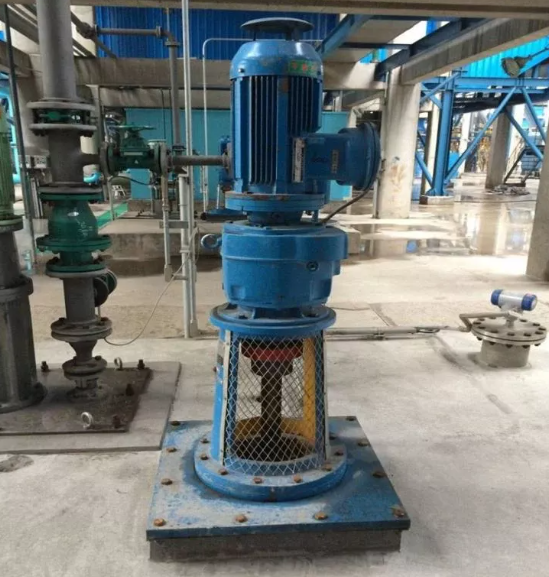
Optimizing the mixing conditions is one of the most effective ways to reduce foaming. The positioning of the impeller within the tank is crucial—if the impeller is positioned above the liquid level, it will create a vortex that induces air. To minimize this, ensure the impeller is positioned below the liquid surface, which reduces the likelihood of air entering the mixture.
Mixing speed also plays a significant role. Reducing the speed of the mixing process, especially as the liquid level nears the impeller, can help prevent excessive foam formation. Fine-tuning the speed to balance efficient mixing with minimal air induction is essential. Adjusting the equipment to reduce air induction not only controls foaming but also helps maintain the consistency of the mixture.
Specialized mixing equipment can further help prevent foaming. For example, bidirectional mixing technology, such as the Caframo BDC2010, offers reversing rotations that minimize vortex formation and air induction. Additionally, vacuum mixing systems can help reduce air intake while maintaining the required mixing speed. Vacuum systems create a controlled environment where air bubbles are not easily incorporated into the mixture.
Using advanced mixing technology ensures that foam is controlled throughout the process, even in high-speed mixing conditions. By employing the right equipment, manufacturers can significantly improve the stability of their mixtures and prevent the negative impacts of foaming.
While chemical defoamers can be effective at suppressing foam, they come with their own set of challenges. Some defoamers may affect the final product's texture or chemical composition, especially in sensitive formulations. In food or pharmaceutical production, using chemical defoamers may not always be feasible due to the potential for contamination or negative impacts on the product's quality.
It's important to evaluate when and where to use defoamers carefully. In some cases, process adjustments such as reducing the speed of mixing or optimizing equipment settings may be sufficient to minimize foaming, eliminating the need for additional chemicals. Implementing a holistic approach that combines process optimization with defoamers can provide the most effective solution for foaming issues.
Strategy | Description | Benefits |
Adjust Mixing Conditions | Proper impeller positioning and speed adjustment. | Reduces air intake and foam formation. |
Utilize Special Equipment | Use bidirectional mixing and vacuum systems. | Prevents vortex formation and limits air induction. |
Chemical Additives | Use defoamers carefully based on product type. | Controls foam without damaging product quality. |
The agitator plays a crucial role in controlling foaming. The correct type of impeller should be selected to match the material being mixed. Axial-flow impellers tend to generate strong vortexes, which increase the likelihood of air induction, whereas radial impellers produce less turbulence and are less prone to creating foam.
Proper agitator positioning is equally important. Ensuring the impeller is placed in the correct position within the vessel helps reduce vortex formation and air induction, minimizing foam during the mixing process.
A practical example from Jongia Mixing Technology highlights the importance of the correct agitator setup. In the dairy industry, when mixing milk, cream, sugar, and starch, excessive foam formation led to delays and product loss. By adjusting the impeller position, optimizing the mixing speed, and controlling the rate at which powders were added to the mixture, Jongia successfully minimized foam and improved production efficiency. This example shows how careful mixing conditions and the right equipment adjustments can solve foaming issues.
Each mixing process is unique, and optimizing the conditions requires a thorough understanding of the materials involved. By conducting tests to identify the best mixing parameters, such as the correct impeller type, mixing speed, and material handling techniques, manufacturers can minimize the risk of foaming and air entrapment.
Optimizing the mixing process reduces operational costs, enhances product consistency, and increases overall productivity. By addressing foaming and air induction early on, manufacturers can avoid costly downtime, reduce waste, and maintain high-quality products.
In practice, optimizing the mixing process to reduce foam can lead to significant savings. For example, one company that implemented optimized mixing techniques found that they saved on energy costs and reduced the need for additional equipment, such as larger tanks to accommodate foam, leading to a more efficient and cost-effective process.
There is a common misconception that a strong vortex is necessary for efficient mixing. While a modest vortex can aid in the process, a deep vortex often causes more problems than it solves. It induces more air into the mixture, leading to foaming and air entrapment.
A deep vortex created by high-speed mixing exacerbates foaming and air induction, creating unwanted bubbles that affect the quality and stability of the product. Managing the vortex by adjusting the mixing speed and impeller position is crucial to prevent these issues.
By carefully controlling the impeller position, reducing the mixing speed, and using baffles to disrupt the flow of the mixture, it's possible to minimize vortex formation and prevent the air from being trapped, leading to reduced foam.
Foaming and air entrapment are prevalent issues in mixing processes that can significantly impact both efficiency and product quality. These problems arise due to various factors like mechanical issues, ingredient properties, and environmental conditions. By identifying the root causes, manufacturers can adopt effective solutions to minimize their occurrence. Engineers and manufacturers are encouraged to focus on optimizing mixing conditions. This includes selecting the right equipment, adjusting mixing speeds, and using appropriate mixing techniques to prevent foam and air induction. These steps will enhance production efficiency and product quality.
Optimizing the mixing process is crucial for maintaining consistent products, reducing costs, and improving overall efficiency. By addressing foaming and air entrapment early, manufacturers can avoid delays and improve product quality, which leads to better outcomes and reduced operational costs. Incorporating specialized mixing technologies, like those offered by JiangSu KeHeng Petrochemical & Electrical Machinery Co., Ltd, can provide significant value. Their advanced equipment is designed to minimize foaming and air induction, ensuring efficient and high-quality mixing operations.
A: Foaming and air entrapment occur due to high-speed mixing, impeller type, ingredient properties, and environmental conditions like temperature and humidity.
A: Reduce mixing speed, position the impeller below the liquid surface, and use bidirectional or vacuum mixing equipment to minimize air induction.
A: Foam increases cycle time, reduces product consistency, and can lead to contamination and production inefficiency.
A: Yes, chemical defoamers can help, but they may alter product properties and are not suitable for all formulations. Use them cautiously.
A: Faster mixing speeds create more turbulence, which leads to increased air induction and more foam formation. Adjusting the speed helps control foaming.